Meta Description
FIFA announces record $655 million prize pool for the 2026 World Cup. Winners will earn $50 million as the expanded 48-team tournament reshapes football economics.
Focus Keyword
2026 FIFA World Cup prize money
Secondary Keywords
FIFA World Cup prize fund
World Cup 2026 winners prize
FIFA financial distribution
48-team World Cup impact
Argentina World Cup earnings
FIFA revenue sharing
World Cup money breakdown
Winners of 2026 FIFA World Cup to Pocket $50 Million in Prize Money
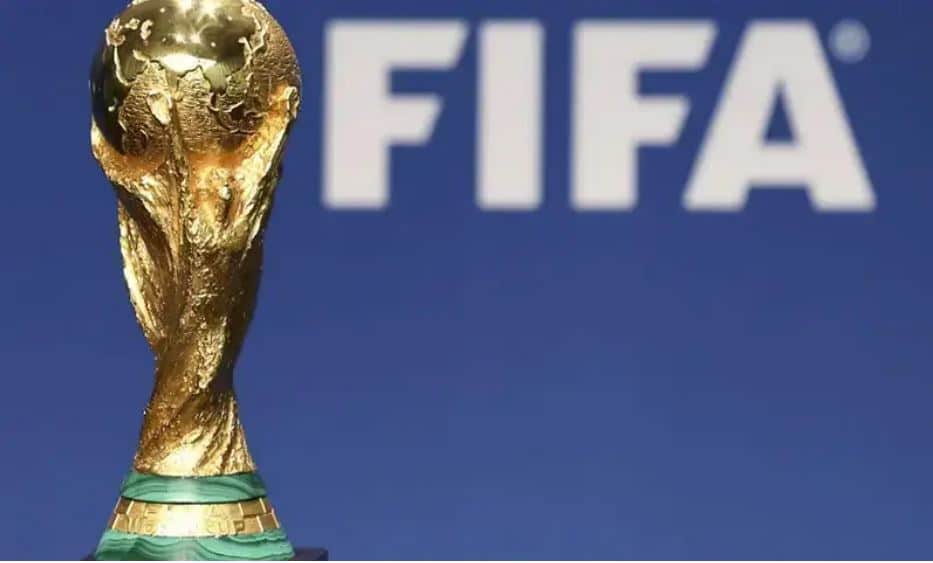
The winners of the 2026 FIFA World Cup will walk away with a staggering $50 million in prize money, as part of a record-breaking financial distribution announced by FIFA on Wednesday.
The decision reflects both the rapid commercial growth of global football and the structural transformation of the World Cup, which will expand to 48 teams for the first time in history. Hosted jointly by the United States, Mexico, and Canada, the tournament will run from June 11 to July 19, 2026, marking a new era for the world’s biggest sporting event.
FIFA Confirms Record $655 Million Prize Fund
FIFA revealed that the total prize pool for the 2026 World Cup will be $655 million (€558.5 million) — an increase of nearly 50 percent compared to the $440 million distributed during the 2022 Qatar World Cup.
This unprecedented jump in prize money underscores:
- FIFA’s growing revenues from broadcasting, sponsorship, and digital rights
- The commercial appeal of hosting the World Cup across North America
- FIFA’s attempt to justify the controversial expansion to 48 teams
How the Expanded 48-Team Format Changes Everything
While the prize pool has grown dramatically, it must be viewed in the context of the tournament’s expansion.
Key Structural Changes
- 48 teams, up from 32
- 50% increase in participating nations
- More matches, more venues, and longer tournament duration
The expansion means that while top teams earn more, FIFA must also distribute money across a much larger pool of countries, including smaller footballing nations.
Prize Money Breakdown: What Each Stage Earns
FIFA has outlined how prize money will be distributed across tournament stages.
Top Finishing Teams
- 🏆 Champions: $50 million
- 🥈 Runners-up: $33 million
- 🥉 Third place: $29 million
- ❌ Losing semi-finalists: $27 million
By comparison:
- Argentina earned $42 million for winning the 2022 World Cup
- France earned $30 million as runners-up
The increase reflects FIFA’s intent to reward deep tournament runs more generously.
Group-Stage Teams Still Earn Millions
Even teams eliminated early will benefit significantly.
Guaranteed Earnings
- Group-stage exit: $9 million
- All 48 teams: Additional $1.5 million participation grant
This means every team qualifies for at least $10.5 million, regardless of results — a massive boost for developing football nations.
Why FIFA Increased the Prize Money So Dramatically
1. Commercial Boom in Football
Football’s global revenue has skyrocketed due to:
- Streaming platforms
- Global sponsorship deals
- US-based corporate partnerships
- Expanded digital engagement
The 2026 World Cup is expected to generate record profits, allowing FIFA to redistribute more money.
2. Political Justification for Expansion
The 48-team expansion faced criticism:
- Diluted competition
- Risk of mismatched games
- Congested calendar
By increasing prize money, FIFA aims to:
- Win over national associations
- Incentivize competitive participation
- Offset logistical concerns
3. Development of Global Football
FIFA argues that broader distribution:
- Helps federations invest in grassroots development
- Improves infrastructure in emerging football nations
- Reduces reliance on government funding
Impact on Smaller Football Nations
For many countries, $10–15 million represents:
- Entire annual football budgets
- Funding for academies and women’s football
- Investment in coaching and facilities
The expanded prize pool could be transformational for federations from:
- Africa
- Asia
- Caribbean
- Oceania
Comparison With 2022 World Cup in Qatar
2022 Prize Distribution Snapshot
- Total fund: $440 million
- Champions (Argentina): $42 million
- Runners-up (France): $30 million
2026 Key Differences
- Nearly $215 million more in total prize money
- 16 additional teams
- Higher guaranteed minimum payouts
Despite the expansion, top teams still receive a larger share, preserving competitive incentives.
Messi’s Argentina Set the Benchmark
Argentina’s triumph in 2022 remains the modern reference point.
Argentina’s 2022 Earnings
- $42 million prize money
- Massive commercial revenue from sponsorships
- Global brand growth for AFA
The 2026 winners will earn $8 million more — not including:
- Sponsorship bonuses
- Government incentives
- Commercial partnerships
Host Nations and Financial Stakes
The United States, Mexico, and Canada will host matches across multiple cities.
Economic Impact
- Billions in tourism revenue
- Infrastructure investment
- Job creation
- Long-term sports development
FIFA’s record prize money aligns with expectations that 2026 will be the most profitable World Cup ever.
How FIFA Funds the Prize Pool
The prize money comes from:
- Broadcasting rights (largest revenue source)
- Sponsorship agreements
- Ticket sales
- Licensing and merchandising
The North American market, particularly the United States, plays a critical role due to:
- High advertising spend
- Corporate sponsorship power
- Global media reach
Critics Question FIFA’s Financial Priorities
Despite the headline numbers, critics argue:
- FIFA still retains billions in reserves
- Development funds remain unevenly distributed
- Transparency issues persist
Some analysts believe:
- More funds should go directly into grassroots programs
- Player welfare should receive greater investment
Player Perspective: What It Means for Squads
While federations receive prize money, players often:
- Receive bonuses negotiated with associations
- Benefit indirectly through improved contracts
- Gain leverage in sponsorship deals
For elite players, World Cup success translates into:
- Global brand growth
- Endorsement deals
- Legacy cementation
Tactical Stakes Rise With Higher Rewards
With $50 million at stake, teams may:
- Take fewer tactical risks
- Emphasize tournament management
- Prioritize squad depth
The financial rewards increase pressure on:
- Coaches
- Federation leadership
- Players
Will Money Change the World Cup’s Spirit?
Supporters argue that higher prize money:
- Raises competition standards
- Rewards excellence
Critics worry it could:
- Increase inequality
- Put financial pressure over sporting values
FIFA insists that the expansion and payouts are designed to democratize football, not commercialize it excessively.
Women’s Football Comparison
The men’s World Cup prize pool still dwarfs the women’s game.
2023 Women’s World Cup
- Total prize fund: $110 million
FIFA has pledged to:
- Gradually increase women’s prize money
- Move toward parity by 2027
The 2026 announcement will likely reignite debate over gender equity in football finances.
What Happens Next?
FIFA is expected to:
- Finalize detailed distribution formulas
- Clarify group-stage structure rewards
- Outline solidarity payments
National associations will begin planning budgets with the new prize landscape in mind.
Final Thoughts: A Financial Turning Point for the World Cup
The announcement that 2026 FIFA World Cup winners will earn $50 million marks a defining moment in football history.
It reflects:
- FIFA’s commercial confidence
- The sport’s expanding global footprint
- The growing financial stakes of international football
Whether this money truly strengthens the game worldwide or deepens existing inequalities remains to be seen. What is clear is that the 2026 World Cup will not only be the biggest — but also the richest — tournament football has ever known.
About the Author