Meta Title (SEO)
UK Foreign Office Data Hack Confirmed | Minister Says Breach Was Low Risk
Meta Description (SEO)
UK Foreign Office confirms a data hack discovered in October. Trade Minister says breach was low risk as investigation continues amid cyber security concerns.
Focus Keyword
UK Foreign Office data hack
Secondary Keywords
UK cyber attack, FCDO data breach, UK government cyber security, Chris Bryant statement, UK Foreign Office hack October, Storm-1849 cyber gang
Introduction
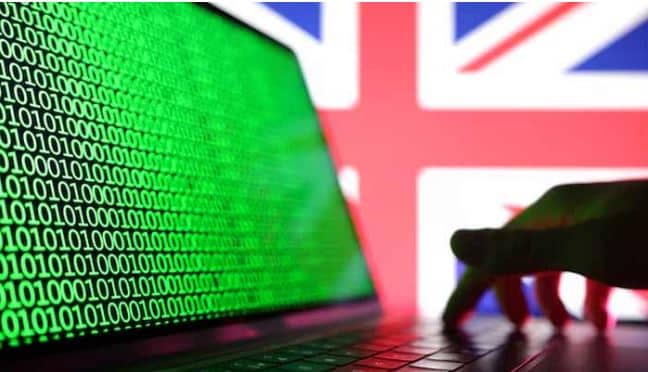
The UK Foreign Office data hack has raised fresh concerns over cyber security within British government institutions after a minister confirmed that sensitive systems were compromised in October 2025. While officials insist the breach posed a “fairly low risk,” the incident has reignited debate around the UK’s preparedness against cyber attacks, especially following a series of high-profile data leaks in recent years.
The breach, involving the Foreign, Commonwealth and Development Office (FCDO), comes at a time when governments worldwide are facing increasingly sophisticated cyber threats from criminal gangs and state-linked actors. This blog provides a detailed breakdown of what happened, official responses, potential foreign involvement, and why cyber security has become a critical issue for the UK government.
UK Minister Confirms Foreign Office Hack
On Friday, UK Trade Minister Chris Bryant confirmed that Britain’s Foreign Office had been affected by a data hack, stating that an investigation had been ongoing for several months.
“I can confirm that there was a hack related to the Foreign, Commonwealth and Development Office,” Bryant said.
However, the minister attempted to downplay concerns, describing the breach as low risk and stressing that corrective measures were swiftly implemented.
When Did the Data Breach Occur?
According to official statements, the cyber intrusion occurred in October 2025, though it only became public weeks later.
Key Timeline
- October 2025: Hack detected at FCDO
- October–December: Internal investigation conducted
- December 19, 2025: Minister publicly confirms breach
Bryant told BBC Radio that once the issue was identified, authorities “closed down the problem,” suggesting the breach was contained before causing widespread damage.
Was China Involved? Minister Responds
Speculation around the incident intensified after media reports suggested potential involvement of Chinese-linked hackers.
When asked whether he could rule out Chinese involvement, Bryant responded:
“I don’t know.”
This cautious response highlights the sensitivity surrounding cyber attribution, especially when it involves major global powers.
Reports Link Hack to Cyber Gang ‘Storm-1849’
The British tabloid The Sun reported that a cyber gang known as Storm-1849 may have been behind the Foreign Office hack.
Who Is Storm-1849?
- Allegedly targets critics of Beijing
- Accused of politically motivated cyber attacks
- Known for exploiting vulnerabilities in government systems
While these claims have not been officially confirmed, the report has added fuel to concerns about foreign interference and espionage.
Government Response: ‘Security Taken Extremely Seriously’
A UK government spokesperson reiterated the administration’s stance on cyber security, stating:
“We have been working to investigate a cyber incident. We take the security of our systems and data extremely seriously.”
Officials emphasized that investigations are ongoing and that lessons are being learned to prevent similar incidents in the future.
Hack Follows Earlier UK Government Data Leak
The Foreign Office breach comes on the heels of another embarrassing data exposure earlier this year involving the Ministry of Defence (MoD).
July Data Leak: What Happened?
- A defence official accidentally leaked a document
- Nearly 19,000 Afghans seeking relocation to the UK were exposed
- Included names, contact details, and personal information
Even more alarming, the leak also revealed details of more than 100 Britons, including:
- Intelligence operatives
- Special forces personnel
The incident sparked outrage and raised serious questions about internal data handling procedures.
Why Cyber Security Is a Growing Threat to the UK
The UK has increasingly become a prime target for cyber gangs, both criminal and politically motivated.
Recent Cyber Targets in the UK
- 🏥 Hospitals and healthcare systems
- 📮 Royal Mail and postal services
- 🛍️ Luxury brands and retailers
- 🏛️ Government departments
Experts warn that cyber attacks are no longer isolated incidents but part of a broader global digital battleground.
Low Risk — But High Concern?
While Chris Bryant described the Foreign Office breach as “fairly low risk,” cyber security analysts caution against complacency.
Why ‘Low Risk’ Doesn’t Mean ‘No Risk’
- Even small breaches can expose system vulnerabilities
- Stolen metadata can be used for future attacks
- Government systems hold sensitive diplomatic information
Analysts argue that transparency and robust cyber defence are essential to maintain public trust.
Impact on UK Foreign Policy and Diplomacy
The FCDO handles:
- Diplomatic communications
- International negotiations
- Intelligence-adjacent data
Any compromise, even limited, could have implications for UK diplomacy, foreign relations, and national security.
Cyber Attacks and State Actors: A Grey Area
One of the biggest challenges in cyber security is attribution — determining who is responsible.
Why Attribution Is Difficult
- Hackers mask locations using global servers
- Cyber gangs often operate across borders
- State and non-state actors may overlap
This makes it difficult for governments to respond decisively without risking diplomatic fallout.
UK’s Cyber Defence Strategy Under Scrutiny
The Foreign Office hack has renewed scrutiny of the UK’s cyber resilience strategy.
Key Questions Being Asked
- Are government systems adequately protected?
- Is staff training sufficient to prevent breaches?
- Are cyber threats being treated with urgency?
Opposition figures and digital rights groups have called for greater parliamentary oversight.
Public Trust and Data Protection
Repeated data incidents risk eroding public confidence in the government’s ability to safeguard sensitive information.
For vulnerable groups — such as Afghan asylum applicants — data leaks can pose life-threatening risks, not just privacy concerns.
What Happens Next?
Ongoing Investigation
- Cyber forensic teams continue analysis
- Potential external involvement being assessed
- Security protocols under review
Possible Outcomes
- System upgrades
- Stricter access controls
- Enhanced staff cyber training
Global Context: Cyber Warfare on the Rise
The UK is not alone. Governments worldwide are facing a surge in cyber attacks linked to:
- Geopolitical tensions
- Espionage
- Economic competition
Cyber space is increasingly viewed as the fifth domain of warfare, alongside land, sea, air, and space.
Conclusion
The confirmation of a UK Foreign Office data hack underscores the growing cyber threats facing modern governments. While officials insist the breach was contained and low risk, the incident — combined with previous data leaks — highlights systemic challenges in safeguarding sensitive information.
As investigations continue, the episode serves as a stark reminder that cyber security is no longer optional. For the UK government, restoring confidence will require transparency, accountability, and sustained investment in digital defence.
About the Author