Meta Description:
The US Coast Guard is pursuing a third oil tanker near Venezuela amid escalating sanctions. Learn how this move impacts global oil markets, geopolitics, and energy prices.
Focus Keyword:
US oil tanker Venezuela
SEO URL:us-pursuing-third-oil-tanker-near-venezuela
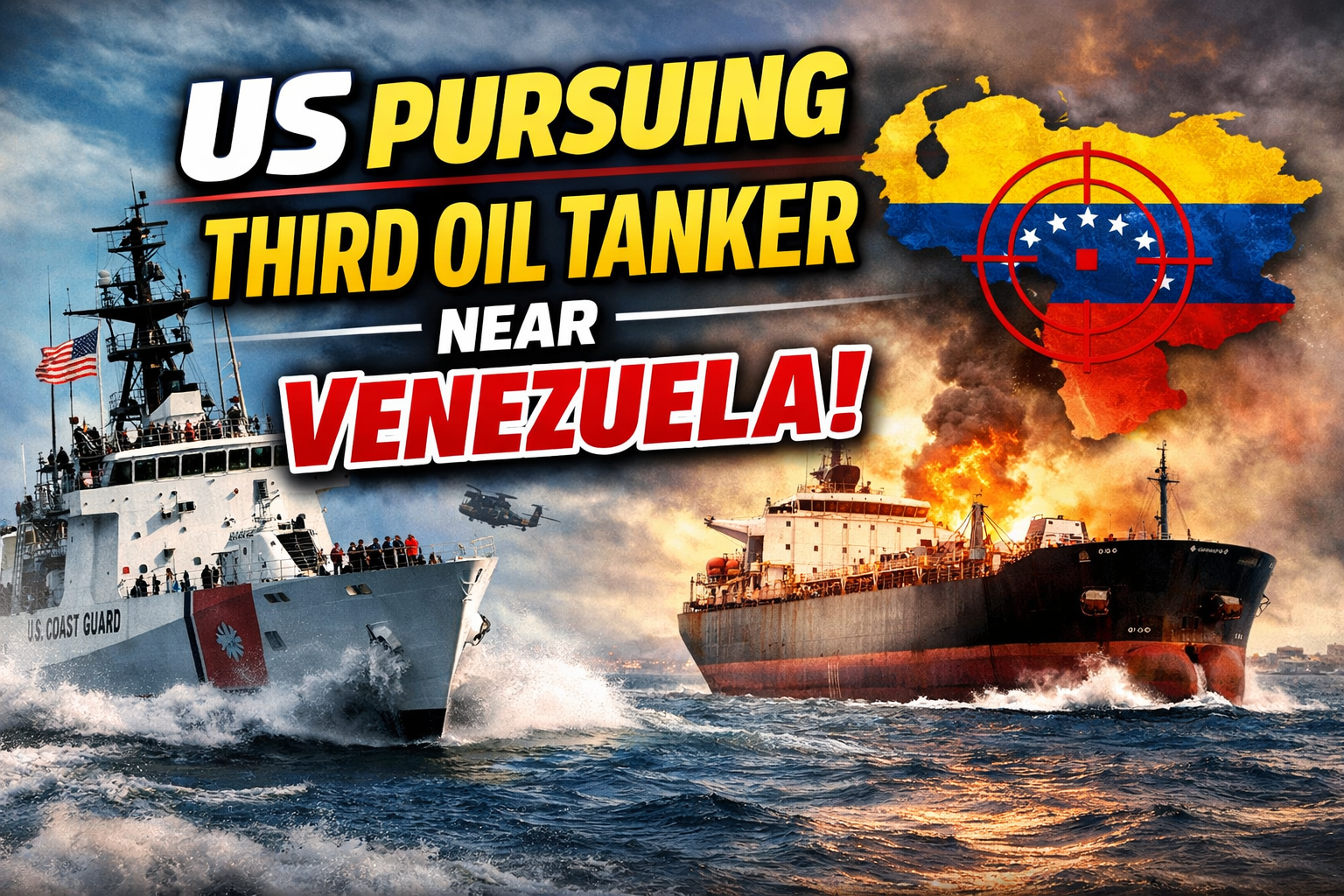
The United States has intensified its crackdown on sanctioned oil trade near Venezuela as the US Coast Guard pursues a third oil tanker in international waters close to the South American nation. Officials speaking to Reuters confirmed that this operation could become the third such action in less than two weeks, signaling a sharp escalation in Washington’s pressure campaign against Venezuela’s oil exports.
According to US officials, the Coast Guard is actively tracking a tanker suspected of being part of Venezuela’s so-called “dark fleet.” The vessel is believed to be flying a false flag and operating under a judicial seizure order. Officials declined to reveal the tanker’s name or exact location and confirmed that it has not yet been boarded. Interceptions, they noted, can take multiple forms, including close monitoring by ships or aircraft.
The term “dark fleet” refers to oil tankers that operate outside standard international norms to evade sanctions. These vessels often disable tracking systems, conduct ship-to-ship transfers at sea, use misleading ownership records, or sail under false flags. Such practices allow sanctioned oil to reach buyers despite international restrictions. Countries like Venezuela, Russia, and Iran are frequently associated with these tactics.
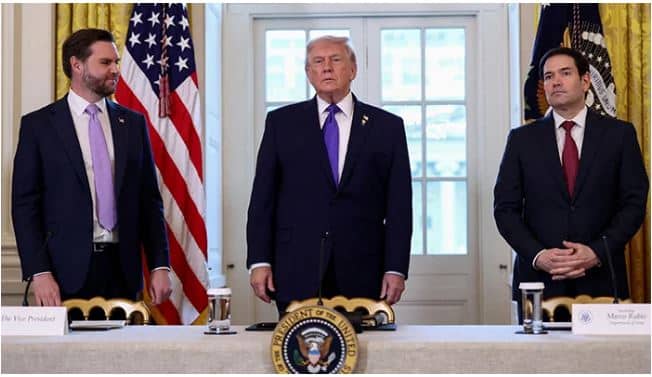
US President Donald Trump recently announced what he described as a “blockade” of all sanctioned oil tankers entering or leaving Venezuela. This announcement marked a significant hardening of US policy toward President Nicolas Maduro’s government. The strategy includes a ramped-up military presence in nearby waters and direct enforcement actions against vessels suspected of sanctions violations.
Reuters sources indicate that more than two dozen military strikes have already been carried out against vessels in the Caribbean Sea and Pacific Ocean near Venezuela. These operations have reportedly resulted in at least 100 deaths, raising concerns among international observers. US officials maintain that the actions are targeted and aimed at disrupting illegal oil trade networks rather than civilian shipping.
The core objective of the US strategy is to cut off revenue streams that sustain the Maduro government. Oil exports remain Venezuela’s most important source of foreign currency. By targeting tankers involved in illicit oil transport, Washington hopes to reduce Caracas’s ability to bypass sanctions and sell crude on the black market.
Despite these reassurances, oil traders and analysts are less confident. One trader told Reuters that prices could edge higher when Asian markets open, as investors may view the pursuit as an escalation. UBS analyst Giovanni Staunovo noted that even though the tanker was not on an official US sanctions list, the situation increases perceived risk for Venezuelan oil supplies.
Energy analysts also warn that the crackdown could have broader implications beyond Venezuela. Increased enforcement raises geopolitical risk and adds pressure on the shadow fleets that transport oil from sanctioned countries. Matias Togni, an oil shipping analyst at NextBarrel, suggested that the seizures could encourage Ukraine to continue targeting Russian vessels and prompt European countries to detain tankers linked to Moscow.
According to Togni, oil output from Venezuela and Iran is already showing signs of slowing, and Russia could face similar challenges. As logistics become more complex and risky, sanctioned oil is likely to be sold at deeper discounts to attract buyers willing to assume the risk. These discounts may help limit major spikes in benchmark oil prices, even as volatility increases.
The operations taking place in international waters also raise legal and diplomatic questions. While US officials insist the actions are backed by judicial seizure orders, other nations may view them as setting new precedents in maritime enforcement. How the international community responds could shape future sanctions policy worldwide.
Venezuela has not officially commented on the latest pursuit, but past reactions suggest the Maduro government will strongly condemn the move, framing it as economic aggression. Caracas is also likely to seek diplomatic and logistical support from allies such as Russia and Iran.
Overall, the pursuit of a third oil tanker near Venezuela signals a shift toward more aggressive, physical enforcement of sanctions. Rather than relying solely on financial restrictions, the US appears willing to directly disrupt oil shipments at sea. While officials downplay the immediate impact on oil prices, markets are watching closely as geopolitical risk in global energy trade continues to rise.