Meta Description
India has streamlined business visa rules for foreign professionals, easing entry for Chinese engineers as New Delhi cautiously improves ties with Beijing.
Focus Keyword
India visa rules Chinese professionals
Secondary Keywords
India China relations
business visa India reform
Chinese engineers India
manufacturing visas India
India eases visa restrictions
India Streamlines Visa Rules in Boost for Chinese Professionals
India has reformed its business visa regime to make it easier for foreign engineers and technicians to work in the country — a move widely seen as a boost for Chinese professionals supporting India’s manufacturing sector.
The decision signals a cautious thaw in relations between the two Asian giants, five years after tensions flared following a deadly clash along their Himalayan border in 2020.
New Digital Platform Cuts Red Tape
India’s Department for Promotion of Industry and Internal Trade (DPIIT) announced the changes on Wednesday, unveiling a new digital visa facilitation platform aimed at speeding up approvals.
Key Changes Include:
- Companies can now generate sponsorship letters online
- Visa application forms simplified
- No need for additional recommendations from other ministries
The reforms remove bureaucratic hurdles that had delayed approvals for years.
Easier Visas for Factory and Technical Work
The streamlined rules apply to professionals involved in:
- Factory installation and commissioning
- Equipment maintenance
- Production support
- Training of local staff
Indian manufacturers — particularly in electronics and solar sectors — rely heavily on Chinese technicians to operate and maintain machinery imported from China.
Manufacturing Sector Expected to Benefit
Industry executives have long argued that visa bottlenecks were hurting production timelines and discouraging foreign investment.
Chinese engineers are especially critical in factories using Chinese-made equipment, where specialized expertise is required to ensure smooth operations.
Last week, Reuters reported that India had already begun quietly cutting red tape to speed up visas for Chinese professionals, signaling improving diplomatic ties.
Background: Why India Blocked Chinese Visas
India virtually halted Chinese visits after the two nuclear-armed neighbours clashed in mid-2020, prompting New Delhi to tighten scrutiny of business visas.
The process was expanded beyond the home and foreign ministries, leading to long delays and widespread industry complaints.
Diplomatic Reset After Modi-Xi Meeting
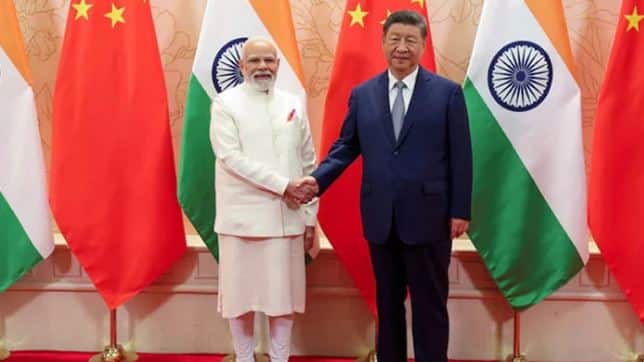
The easing of visa restrictions follows Prime Minister Narendra Modi’s visit to China earlier this year, his first in seven years.
During the visit, Modi met President Xi Jinping, with both leaders discussing ways to stabilize and improve bilateral relations.
Facing punishing US tariffs, India has cautiously moved to re-engage economically with Beijing while maintaining strategic caution.
Billions Lost Due to Visa Restrictions
According to estimates by the Observer Research Foundation:
- Stricter visa scrutiny caused $15 billion in production losses over four years
- Indian electronics manufacturers were among the worst hit
Major Chinese firms, including Xiaomi, reportedly struggled to secure visas for technical staff, delaying expansion plans in India.
Impact on Electronics and Solar Industries
Industry leaders say the visa clampdown:
- Slowed factory expansions
- Created shortages of skilled labour
- Affected sectors like electronics manufacturing and solar energy
The new reforms are expected to ease those pressures and improve production efficiency.
What This Means for India-China Ties
The visa changes suggest:
- A pragmatic shift in India’s economic policy
- Recognition of China’s role in India’s manufacturing ecosystem
- A gradual effort to balance geopolitics with economic growth
While political tensions remain, New Delhi appears willing to separate economic cooperation from strategic disputes.
A Calculated but Significant Move
By easing visa rules for Chinese professionals, India is sending a signal to global investors that it is open for business, even amid complex regional politics.
For manufacturers struggling with skill shortages and delayed projects, the move could provide much-needed relief — and potentially mark a new chapter in India-China economic engagement.
About the Author