Meta Title: Indian Opposition Criticizes Modi Govt Over US Trade Deal | Full Analysis
Meta Description: Indian National Congress raises concerns over Modi government’s US trade deal, demanding transparency and safeguards for farmers, industry, and domestic policies.
Focus Keywords: US trade deal India, Modi government trade deal, Congress response trade deal, India US tariffs, impact on Indian farmers, Make in India
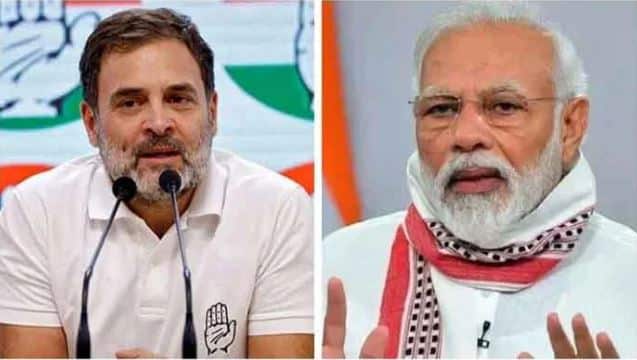
Indian National Congress (INC) has strongly criticized the Narendra Modi-led Bharatiya Janata Party (BJP) government following the announcement of a new trade deal between India and the United States. Publicly unveiled by US President Donald Trump, the agreement has sparked debates over transparency, potential impacts on Indian farmers, domestic industry, and alignment with the “Make in India” initiative. Congress has demanded a full disclosure of the deal to Parliament and the public, emphasizing the importance of protecting India’s economic interests.
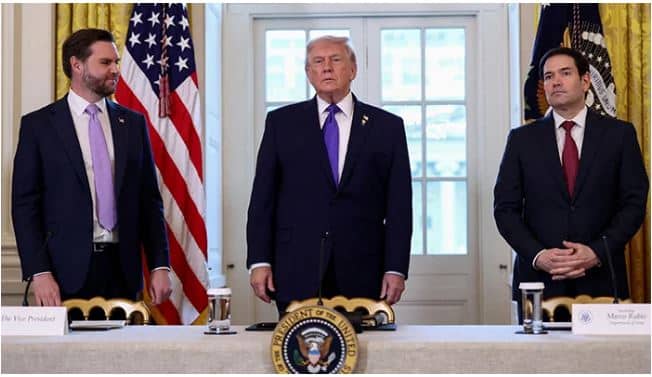
US President Donald Trump announced the trade agreement after discussions with Prime Minister Modi, highlighting that tariffs on Indian goods exported to the US would be reduced from 25% to 18%. In exchange, India is expected to reduce trade barriers and shift its oil import strategy, potentially moving away from Russian oil toward purchases from the US and Venezuela. Trump described the deal as being executed “on Modi’s request,” which further fueled debates on the agreement’s terms and implications.
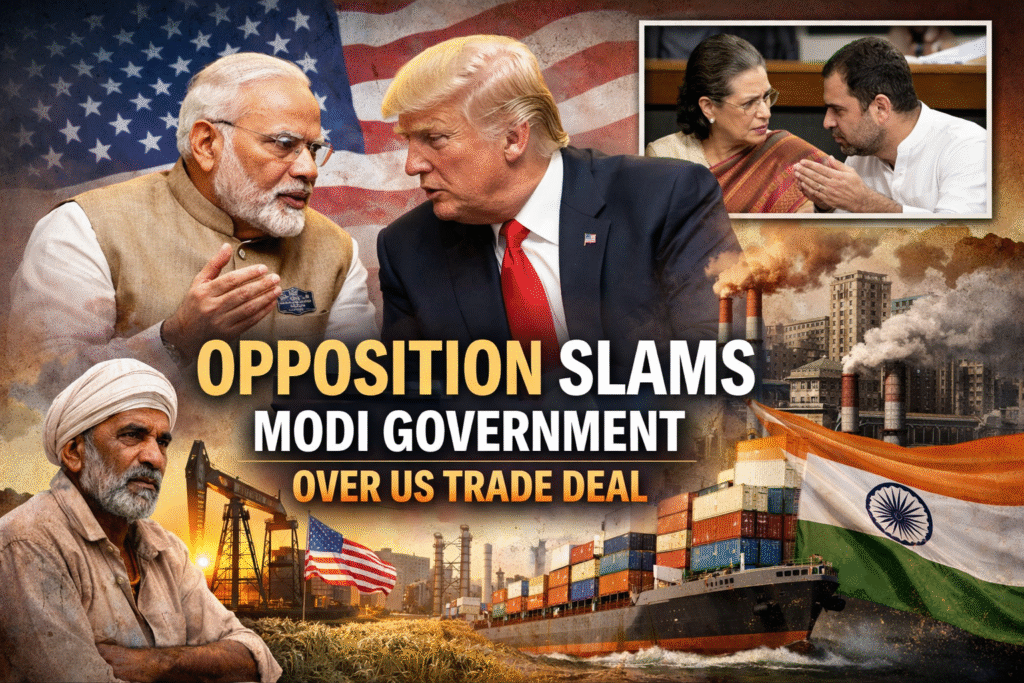
Congress has voiced strong concerns regarding the potential impact on India’s agriculture sector. Party leaders pointed out that opening the market to American agricultural goods could challenge the livelihoods of Indian farmers. Questions have been raised about the safeguards implemented to protect domestic agricultural interests, with Congress demanding clarity on the provisions of the deal and assurances for farmers.
In addition to agriculture, Congress has also highlighted risks for Indian industries and traders. Reducing trade barriers for American goods may potentially undermine initiatives like “Make in India.” Party leaders are seeking clarity on India’s commitment to importing more American products and whether such measures align with national industrial policies.
The issue of oil imports has emerged as another critical point of concern. Reports indicate that India may halt purchases of Russian oil and instead buy from the US and Venezuela. Critics have questioned whether such conditions were agreed upon without sufficient parliamentary debate, highlighting the need for transparency in strategic decisions affecting national interests.
Regional chapters of Congress, such as the Kerala unit, have expressed more pointed criticism. Leaders warned that the deal could increase dependency on the United States, raising concerns over India’s economic sovereignty. They also noted an imbalance in tariffs, as the US would retain an 18% tariff on Indian goods while India reportedly maintains 0% tariffs on American imports.
Prime Minister Modi, however, welcomed the trade deal, emphasizing the benefits for Indian exporters. He praised the reduction in tariffs on Made in India products and thanked President Trump for the announcement. While the government highlights the potential economic advantages, critics argue that the lack of transparency has created widespread public and political unease.
The US-India trade relationship has experienced tension in recent years. Last August, President Trump doubled import duties on Indian goods to 50% to pressure India to stop buying Russian oil. Reports suggested that tariffs could increase further if India did not comply. This newly announced trade deal follows months of negotiation and compromise but leaves many questions regarding long-term effects on India’s domestic economy, farmers, and industrial sectors.
Key takeaways from the deal include the need for transparency and public disclosure, potential challenges for Indian agriculture and industry, possible shifts in oil import strategy, and an imbalance in tariffs that may favor the US. As the Modi government navigates this agreement, balancing international trade benefits with domestic economic priorities remains crucial.
The Indian opposition has underscored the importance of accountability, insisting that Parliament and citizens are informed about the full scope of the trade deal. The coming weeks are expected to see increased scrutiny from political parties, civil society, and industry experts as India evaluates the agreement’s implications for its economy and strategic interests.
Focus Keyword Usage: US trade deal India, Modi government trade deal, Congress response trade deal, India US tariffs, impact on Indian farmers, Make in India